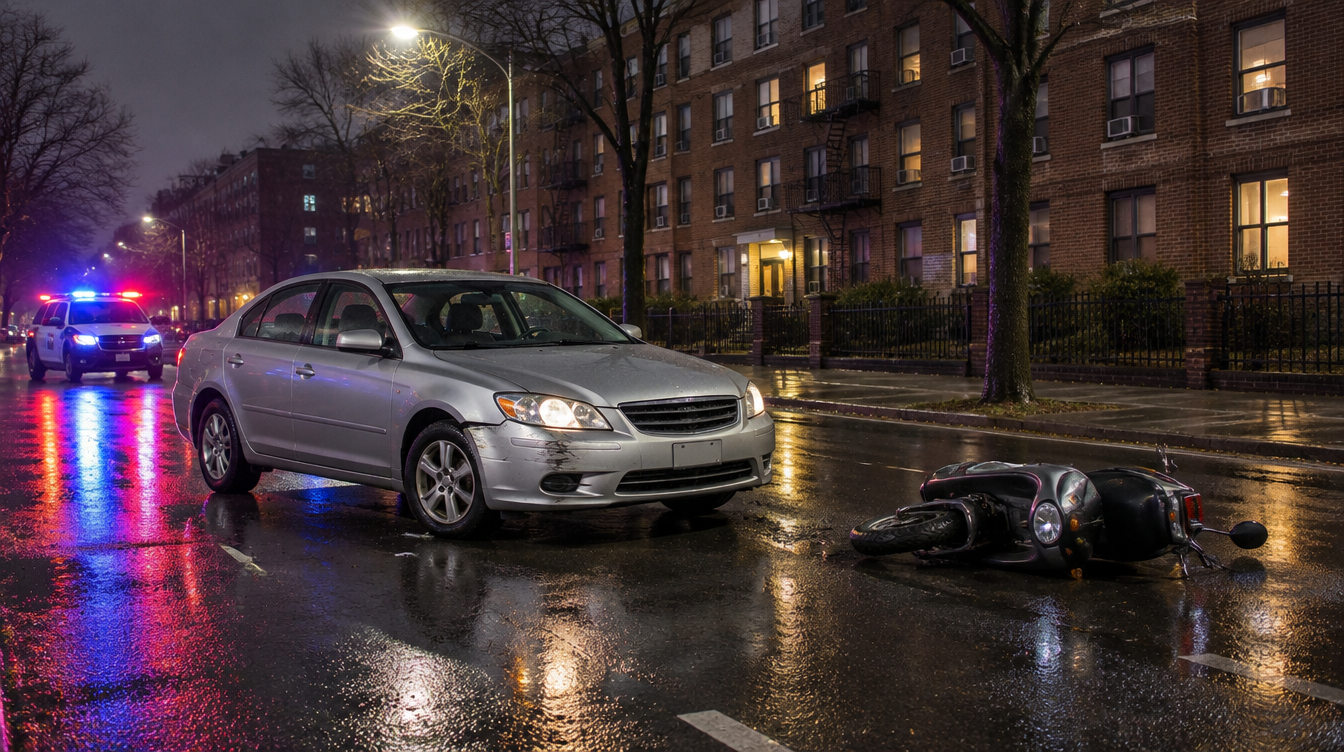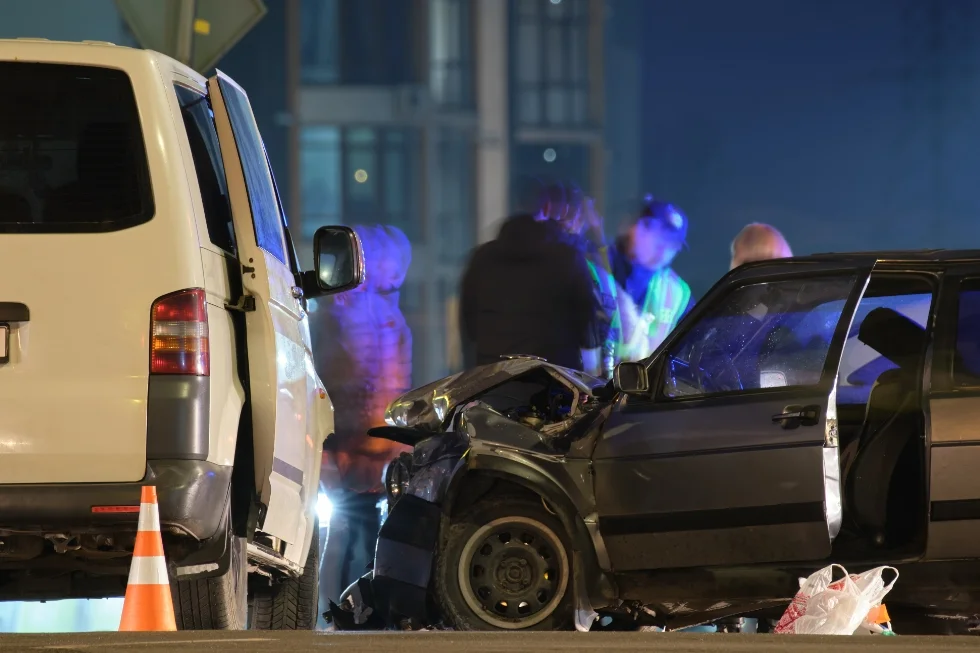
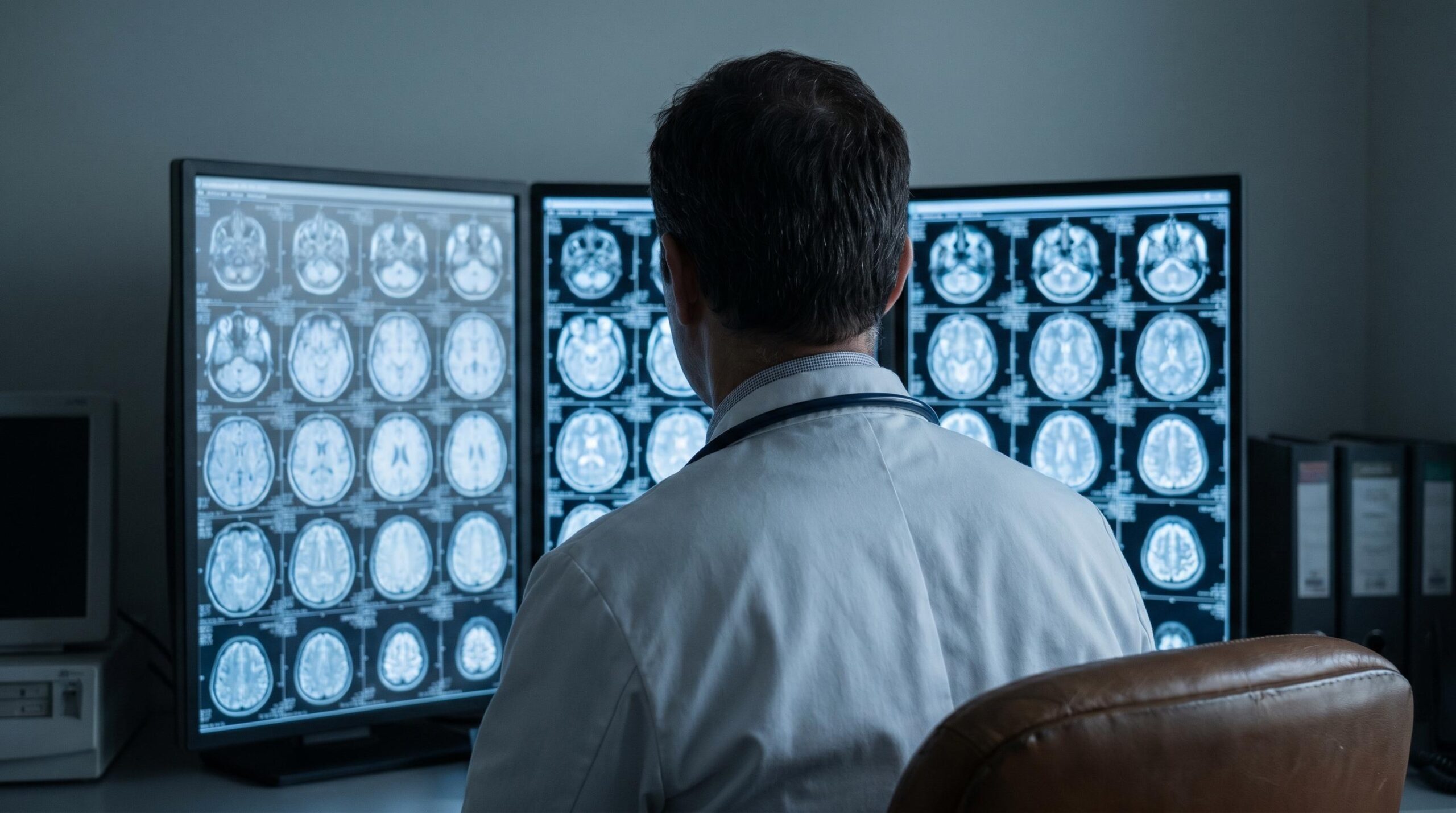
You were rear-ended on the BQE. The ambulance took you to the nearest emergency room. A doctor ordered a CT scan, the scan came back clean, and you were sent home with instructions to rest and take ibuprofen.
Now it is three weeks later. You cannot remember conversations from earlier in the day. You are irritable in a way you never were. Your partner says you seem different. You cannot focus at work. The ER told you nothing was wrong, but you know something is.
What you may be describing is diffuse axonal injury, and it is one of the most commonly missed types of NYC car accident brain injury. Working with a diffuse axonal injury lawyer NYC early can make the difference between a closed file and full compensation for a lifetime of treatment.
What Diffuse Axonal Injury Is
Diffuse axonal injury, or DAI, happens when the brain twists or shifts violently inside the skull during a sudden impact. The motion stretches and tears the long microscopic fibers that carry signals between different regions of the brain. Because the damage is spread across the brain rather than concentrated in one area, DAI does not show up as a bruise, a bleed, or a fracture.
Car accidents are one of the most common causes. According to medical literature, 50 to 80 percent of DAI patients have a normal CT scan when they first arrive at the emergency room. A high-speed collision, a sudden rollover, or even a rear-end crash at moderate speed can generate the rotational force required to produce this kind of injury.
Why Standard Scans Miss It
CT scans and routine MRIs are designed to find certain things: bleeding, swelling, skull fractures, and major structural damage. They are excellent at those jobs. They are not designed to detect microscopic damage to nerve fibers.
That limitation is part of why so many brain injuries in NYC are sent home with a clean bill of health. The scan was not lying. It was simply never going to see the injury. More advanced imaging, such as diffusion tensor imaging or susceptibility-weighted MRI, is often needed to confirm DAI, and those tests are not typically ordered in a busy emergency department.
Symptoms That Should Prompt a Second Look
If you have been in a serious collision and any of the following appear in the days or weeks afterward, do not assume the ER was right to send you home:
- Persistent headaches that will not respond to over-the-counter medication
- Difficulty concentrating, reading, or holding conversations
- Short-term memory gaps
- Unusual mood swings, depression, or irritability
- Sensitivity to light and noise
- Sleep disturbances or chronic fatigue
- Dizziness, balance problems, or nausea
These are real, medically recognized consequences of a brain injury, and they can persist for months or even years without proper treatment.
Why This Matters for Your Legal Claim
Insurance companies know exactly how to exploit a clean ER scan. Their adjusters will tell you that if the hospital found nothing, there is nothing to compensate. They will offer a quick settlement designed to close your file before the true picture of your injury becomes clear.
Do not accept that offer. Once you sign a release, the claim is closed, even if you later require years of neurological treatment, cognitive rehabilitation, or time away from your career.
At KDS Law Firm, a brain injury attorney NYC residents have trusted for decades, we know which specialists to bring in, what imaging to request, and how to document a brain injury that was never visible on the first scan. Attorney Keith Silverstein spent 25 years on the insurance defense side before building our plaintiff practice, which means he knows precisely how insurers try to minimize brain injury claims, and he knows how to counter those tactics.
What to Do Next
If a car accident has left you feeling that something is not right, even after a normal scan, take the following steps and contact a traumatic brain injury lawyer New York has learned to rely on for complex cases:
- See a neurologist, not just your primary care doctor. Ask specifically about DAI and post-concussive syndrome.
- Keep a daily log of symptoms, including dates, severity, and how they affect your work and personal life.
- Do not give a recorded statement to the other driver’s insurance company without speaking to an attorney first.
- Call us before you sign anything.
Call KDS Law Firm, an experienced New York accident attorney, at 212-385-1444 for a free consultation, or visit www.kdslawfirm.com. We work on a contingency fee basis, which means there are no upfront costs and no fees unless we win your case.