
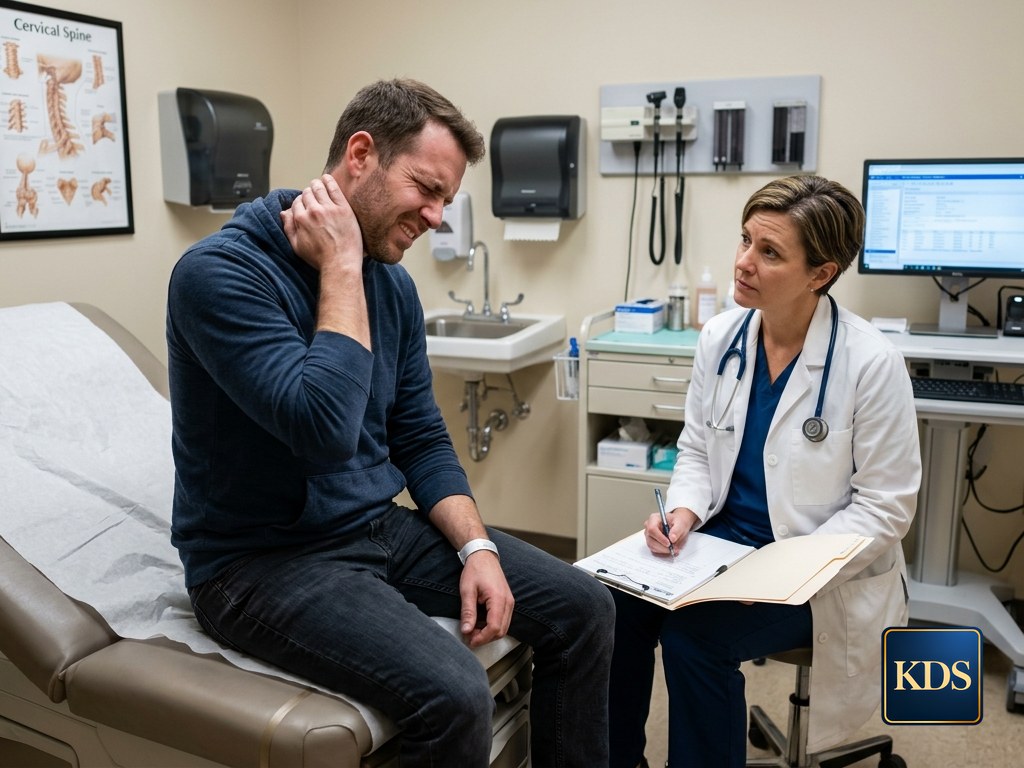
You walked away from the crash. You felt shaken but okay. You told the police officer you weren’t hurt. Maybe you even declined the ambulance. Then, two days later, the headache started.
This pattern is one of the most common in personal injury cases, and one of the most dangerous for your claim. Here’s what you need to understand about delayed injuries and why getting medical attention fast matters even when you feel fine.
Why Injuries Don’t Always Show Up Immediately
The moment your body experiences a traumatic event, it floods your system with adrenaline. That adrenaline is powerful. It suppresses pain signals and keeps you moving. In the immediate aftermath of a car crash, a fall, or a construction accident, you may genuinely feel fine, not because you are fine, but because your body is masking what’s happening underneath.
Soft tissue injuries, whiplash, brain injuries, and internal bleeding frequently produce no noticeable symptoms for hours or even days. By the time the pain arrives, you may have already told a police officer, an insurance adjuster, or your employer that you were not hurt.
That creates a serious problem for your case.
Common Delayed Injury Symptoms to Watch For
In the days following any accident, take these symptoms seriously:
Headaches, dizziness, or confusion: possible signs of a traumatic brain injury (TBI) or concussion, even after a low-speed collision.
Neck or shoulder pain and stiffness: the classic presentation of whiplash, which typically appears 24 to 48 hours after impact, not at the scene.
Back pain: spinal injuries, herniated discs, and soft tissue damage often present late. Back pain that starts two or three days after an accident is still caused by the accident.
Abdominal pain or swelling: internal bleeding can develop quietly and becomes a medical emergency. Do not wait on this one.
Numbness or tingling in arms or legs: can indicate nerve damage or spinal cord compression.
Emotional changes, trouble sleeping, or mood swings: PTSD and psychological trauma after accidents are real, documented injuries with real value in a personal injury claim.
Why the Delay Hurts Your Case
Insurance companies are trained to exploit the gap between an accident and your first medical visit. If you didn’t go to the ER the day of the accident, the adjuster’s playbook says your injuries aren’t serious or weren’t caused by the accident at all. They’ll point to the police report where you said you were fine. They’ll point to the days you went without treatment.
Keith Silverstein spent 25 years building those exact arguments from the insurance defense side. He knows every version of this attack and exactly how to counter it with the right medical documentation and expert support.
What You Should Do Right Now
Whether it’s been two hours or two weeks since your accident:
Go to a doctor. Get examined and get everything on record. Tell your doctor exactly what happened and when.
Mention the accident even if you’re just getting checked out. The connection between the accident and your injuries must be documented in your medical records from the start.
Follow every referral. Don’t skip physical therapy, specialist visits, or imaging appointments. Every gap in treatment is a gap the defense will use against you.
Save every record. ER visits, urgent care, follow-ups, prescriptions, imaging results, and physical therapy notes all matter.
Call an attorney before you speak to any insurance adjuster. They will contact you. Do not give a recorded statement without legal representation.
You May Still Have a Strong Case
Even if you didn’t get medical care the day of your accident, you may still be able to recover full compensation. The key is building a clear, documented medical record as quickly as possible and working with an attorney who knows how insurers challenge late-presenting injuries.
At KDS Law, we’ve handled hundreds of cases with this exact fact pattern. We know how to connect the dots and make the case.
Contact Us Today. Free Consultation. No Fees Unless We Win.
Call 212-385-1444.
Don’t Settle for Less.